
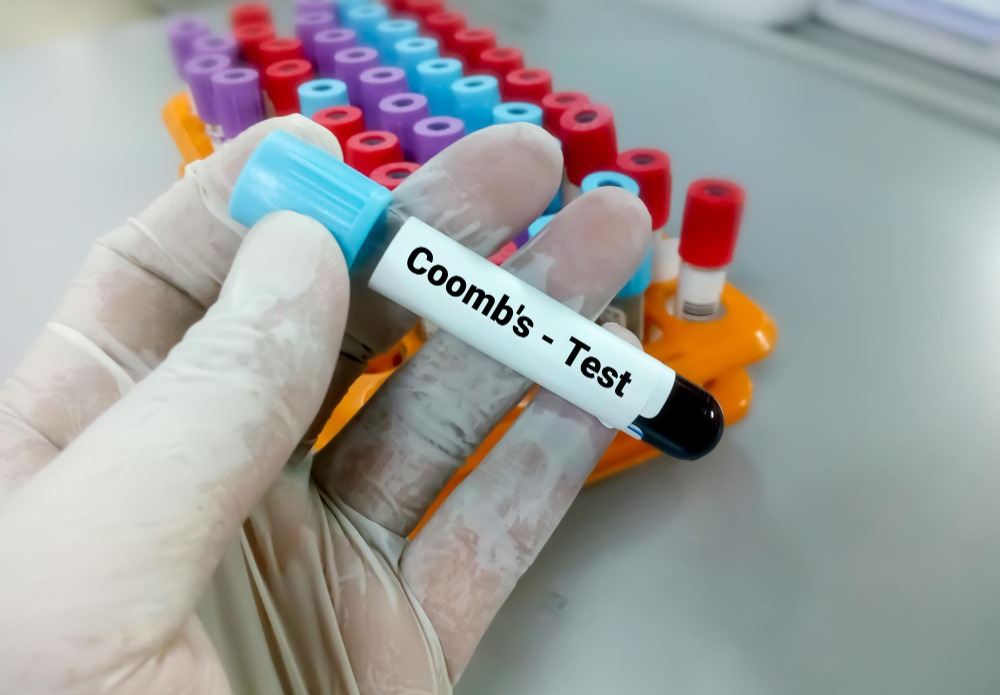
What is the Coombs Test?
The Coombs Test is a blood test that checks for certain antibodies. These antibodies can attack your red blood cells. Doctors use this test to find out if your immune system is harming your own blood. Because of this, the Coombs Test is important for diagnosing some blood problems. You may also hear it called the antiglobulin test. This test helps doctors understand why you might have anemia or other blood issues.
Types of Coombs Test
There are two main types of Coombs Test. Each type looks for different problems. Knowing the difference can help you understand your results better.
Why is the Coombs Test Done?
Doctors order the Coombs Test for several reasons. For example, they may use it to:
Sometimes, the test helps doctors decide on the best treatment. In other cases, it can prevent serious problems during pregnancy or after a transfusion.
How is the Coombs Test Performed?
The Coombs Test procedure is simple and safe. First, a healthcare worker takes a small blood sample from your arm. Next, the blood goes to a lab. There, special chemicals are added to the sample. These chemicals help find antibodies on or around your red blood cells. The process usually takes only a few minutes. Most people feel only a quick pinch during the blood draw. Afterward, you can return to your normal activities.
Understanding Coombs Test Results
After the test, your doctor will explain the Coombs Test results. Here is what the results may mean:
However, results must be reviewed with your doctor. Sometimes, other tests are needed to find the exact cause of your symptoms.
Risks and Limitations of the Coombs Test
Although the Coombs Test is safe, there are a few risks. For instance, you may feel slight pain or see a small bruise where the blood was drawn. Rarely, infection can occur. The test also has some limitations. For example, it may not find all types of antibodies. Sometimes, results can be unclear or need more testing. Always talk to your doctor if you have concerns.
Frequently Asked Questions (FAQs)
Tips for Patients and Next Steps
Before your Coombs Test, ask your doctor if you need to prepare. After the test, keep the bandage on your arm for a short time. If you notice swelling or pain, let your doctor know. Most importantly, review your Coombs Test results with your healthcare provider. They can explain what the results mean for your health. If you have questions, do not hesitate to ask.
Consult Salunkhe Diagnostic Laboratory for personalized advice about the Coombs Test.