
What is a Thyroid Function Test?
A Thyroid Function Test checks how well your thyroid gland works. The thyroid is a small gland in your neck. It makes hormones that control your body’s energy and many other functions. Because these hormones affect many parts of your body, it is important to know if your thyroid is healthy. This test measures the levels of thyroid hormones in your blood. Often, doctors use it to find out if your thyroid is working too much or too little.
Why is a Thyroid Function Test Important?
Thyroid problems can cause many health issues. For example, if your thyroid is not working right, you may feel tired or gain weight. Sometimes, you may feel nervous or lose weight quickly. A Thyroid Function Test helps find these problems early. Early testing can help you get the right treatment. According to the World Health Organization (WHO), thyroid disorders are common and can affect anyone. Therefore, regular testing is important if you have symptoms or a family history of thyroid issues.
Common Symptoms That May Prompt Testing
Doctors may suggest a Thyroid Function Test if you have certain symptoms. These symptoms can be mild or severe. However, many people do not notice them at first. Common signs include:
If you notice any of these symptoms, it is wise to talk to your doctor. Sometimes, these signs can be caused by other health problems. But a Thyroid Function Test can help find the cause.
How is the Test Performed?
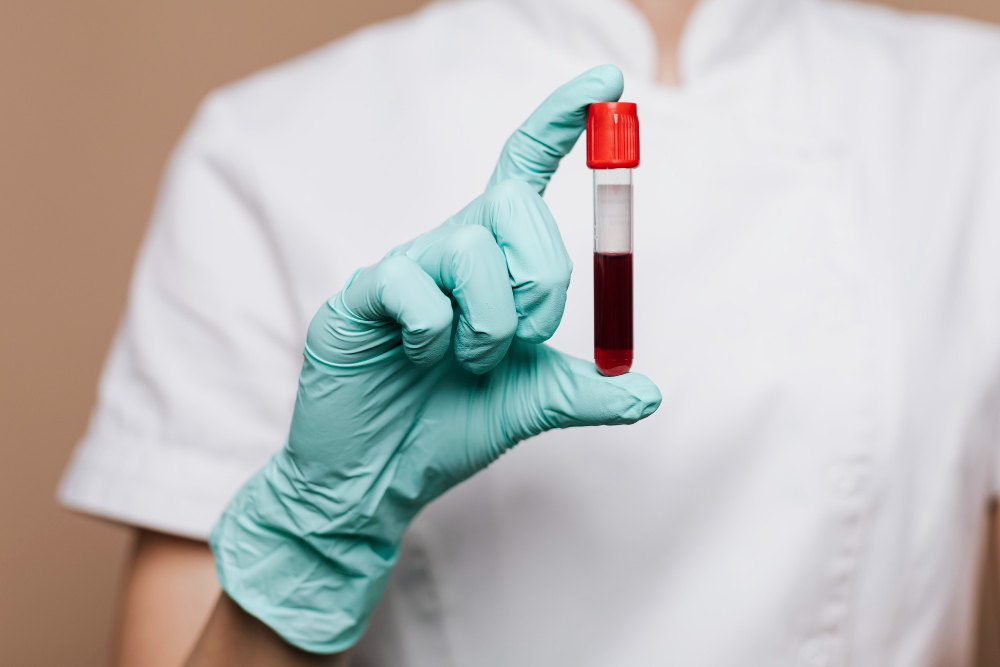
The Thyroid Function Test is simple and quick. First, a healthcare worker takes a small blood sample from your arm. Next, the blood goes to a lab for testing. You do not need to do much to prepare. However, your doctor may ask you to avoid certain medicines before the test. The whole process usually takes only a few minutes. After the test, you can return to your normal activities right away.
Understanding Test Results: Normal vs. Abnormal
After your blood is tested, your doctor will review the results. The main hormones checked are:
Normal results mean your thyroid is working well. But if your TSH is high and T4 is low, you may have an underactive thyroid (hypothyroidism). On the other hand, if your TSH is low and T4 is high, you may have an overactive thyroid (hyperthyroidism). Sometimes, results can be mixed. Therefore, your doctor will explain what your numbers mean for your health.
What to Do if Your Results Are Abnormal
If your Thyroid Function Test results are not normal, do not worry. Many thyroid problems can be managed with medicine or other treatments. Your doctor may suggest more tests to find the cause. In some cases, you may need to see a thyroid specialist. It is important to follow your doctor’s advice and take any prescribed medicine as directed. With the right care, most people feel better quickly.
Prevention and Lifestyle Guidance for Thyroid Health
While you cannot always prevent thyroid problems, healthy habits can help. For instance, eating a balanced diet with enough iodine supports thyroid health. Regular exercise and stress management are also helpful. In addition, avoid smoking, as it can harm your thyroid. If you have a family history of thyroid disease, tell your doctor. Early testing and healthy choices can lower your risk.
Conclusion
In summary, a Thyroid Function Test is a simple way to check your thyroid health. It helps find problems early, so you can get the right treatment. If you have symptoms or a family history of thyroid issues, talk to your doctor. Consult Salunkhe Diagnostic Laboratory for personalized advice about thyroid testing.