
The Rheumatoid Factor Test is a simple blood test. Doctors use it to help diagnose certain health conditions, especially rheumatoid arthritis. This test checks for rheumatoid factor, a type of protein in your blood. Knowing your results can help your doctor find the right treatment. In this blog, you will learn what the test is, why it is done, and what your results mean.
What is a Rheumatoid Factor Test?
A Rheumatoid Factor Test is a blood test. It looks for a protein called rheumatoid factor (RF) in your blood. Usually, your immune system makes proteins to fight germs. However, sometimes it makes proteins that attack your own body. These are called autoantibodies. Rheumatoid factor is one of these autoantibodies. High levels of RF can be a sign of autoimmune diseases, like rheumatoid arthritis.
Why is the Rheumatoid Factor Test Done?
Doctors order this test for several reasons. Most often, it helps diagnose rheumatoid arthritis. But it can also help find other autoimmune diseases. Sometimes, it is used to check how severe the disease is. Here are some common reasons for the test:
According to the Centers for Disease Control and Prevention (CDC), early diagnosis can help manage symptoms better.
How is the Rheumatoid Factor Test Performed?
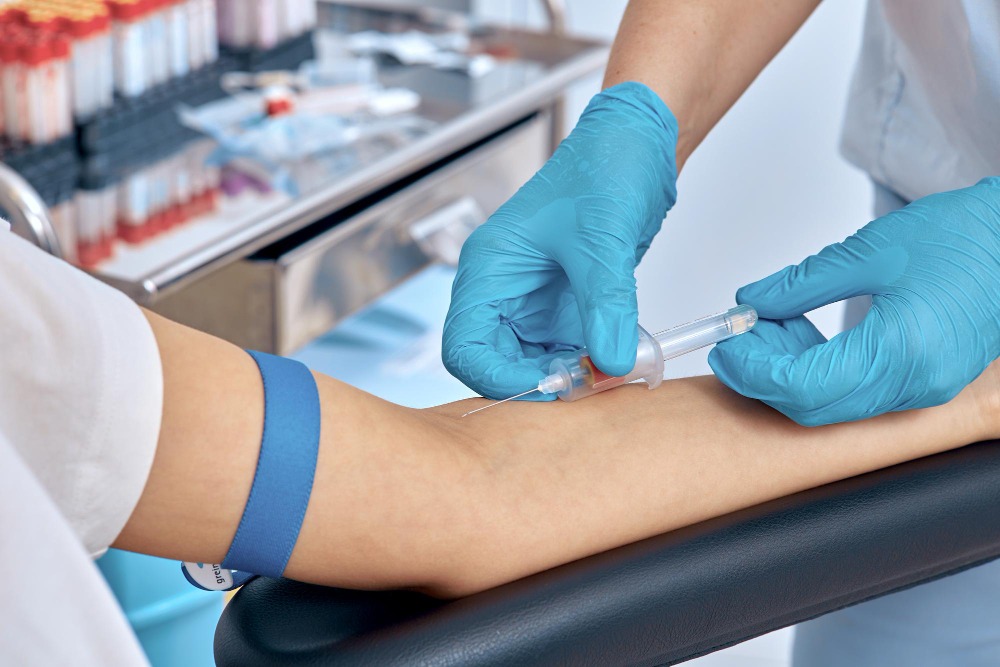
The test is quick and simple. First, a healthcare worker cleans your arm. Next, they use a small needle to take a blood sample. The sample goes to a lab for testing. Usually, you can return to normal activities right after the test. The process takes only a few minutes.
What Do the Results Mean?
After the test, your doctor will explain the results. Here is what they may mean:
Therefore, doctors use the RF test along with other tests and symptoms. The World Health Organization (WHO) notes that no single test can confirm rheumatoid arthritis.
Preparation and Aftercare
Usually, you do not need special preparation for the rheumatoid factor blood test. You can eat and drink as normal. However, always follow your doctor’s instructions. After the test, you may have a small bruise or feel slight pain where the needle went in. This goes away quickly. If you notice swelling or bleeding, tell your doctor.
Risks and Limitations
The RF test is safe for most people. Still, there are a few minor risks:
However, the test has some limits. For example, not everyone with rheumatoid arthritis has a high RF level. Also, some healthy people may have a high RF. Because of this, doctors use other tests and your symptoms to make a diagnosis. The National Institutes of Health (NIH) recommends using the RF test as part of a full medical check.
Frequently Asked Questions
If you have questions about the Rheumatoid Factor Test, consult a healthcare professional at Salunkhe Diagnostic Laboratory for personalized advice.