
Introduction
A health check-up for elderly is a routine set of medical tests and exams. These check-ups help spot health problems early. As people age, their health needs change. Therefore, regular check-ups become even more important. Early detection can lead to better treatment and a higher quality of life. In many cities, access to health check-ups for elderly is improving, making it easier to stay healthy.
Why Regular Health Check Ups Matter for Elderly
Regular health check-ups help seniors stay healthy and active. With age, the risk of chronic diseases rises. However, many health issues can be managed if found early. For example, routine health check-up for seniors can catch high blood pressure or diabetes before they cause harm. In addition, regular visits help doctors track changes over time. This makes it easier to adjust care as needed. According to the CDC, early detection and preventive care for older adults can lower hospital visits and improve well-being.
Common Health Issues in the Elderly
Older adults face unique health challenges. Some problems are more common as we age. Knowing these issues helps families and caregivers stay alert. Common health concerns include:
Because these conditions can develop slowly, regular elderly health screening tests are vital.
Essential Tests and Screenings
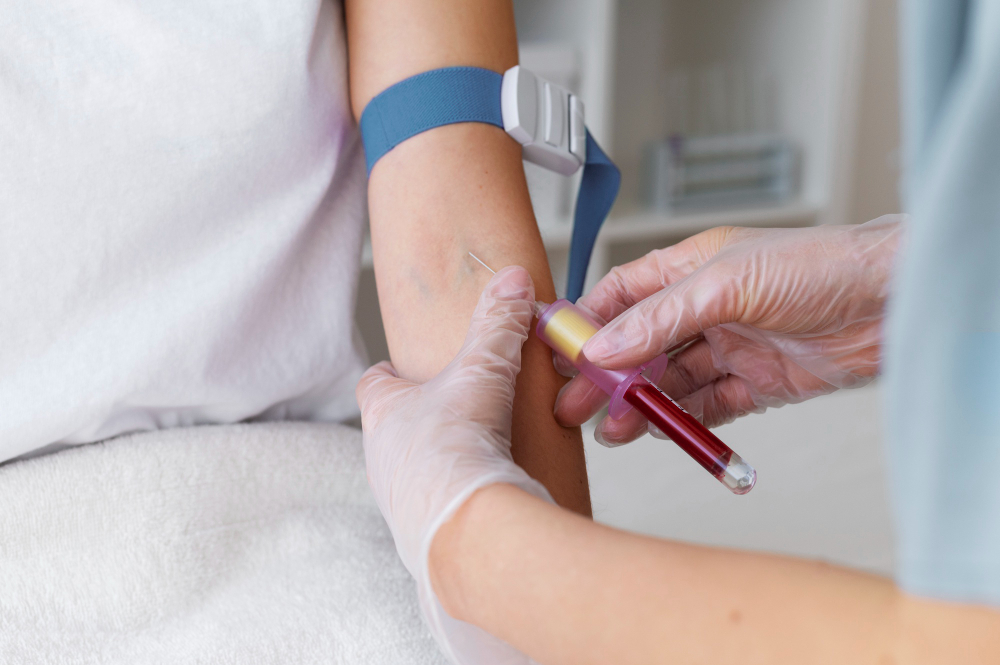
Many tests are part of a routine health check-up for elderly. These screenings help find problems early. Some key tests include:
Doctors may suggest other tests based on personal or family history. The importance of regular check-ups in elderly cannot be overstated, as these tests can save lives.
How to Prepare for a Health Check Up
Preparing for a health check-up helps the visit go smoothly. Here are some tips:
Additionally, ask your doctor about fasting before blood tests. This can help get accurate results.
Preventive Care and Lifestyle Tips
Preventive care for older adults goes beyond tests. Healthy habits can lower the risk of many diseases. Here are some simple tips:
Moreover, regular check-ups help reinforce these healthy habits.
When to Consult a Doctor
Sometimes, waiting for the next routine check-up is not enough. Seek medical advice if you notice:
Early action can prevent serious problems. Always listen to your body and talk to your doctor if something feels wrong.
Conclusion and Call-to-Action
In summary, a health check-up for the elderly is key to healthy aging. Regular tests and preventive care help catch problems early. This leads to better outcomes and peace of mind. Do not wait for symptoms to appear. Consult a healthcare specialist at Salunkhe Diagnostic Laboratory to schedule a personalized health check-up for elderly loved ones.