
Introduction to Cardiac Profile Testing
Cardiac profile testing is a group of tests that check your heart health. Many people search for “cardiac profile testing near me” to find local options. These tests help spot heart problems early. Because heart disease is common, early testing can save lives. According to the World Health Organization (WHO), heart disease is a leading cause of death worldwide. So, knowing your heart health is important.
What Is Cardiac Profile Testing?
Cardiac profile testing is a set of blood and heart tests. These tests look for signs of heart disease or risk factors. For example, they check cholesterol, blood sugar, and heart rhythms. Doctors use this information to assess your risk of heart problems. In many cases, these tests are part of a regular heart health screening.
Why Is Cardiac Profile Testing Important?
Many heart problems do not show symptoms at first. However, early testing can find risks before they become serious. Because of this, cardiac profile testing helps prevent heart attacks and strokes. It also guides doctors in making treatment plans. In addition, knowing your results can motivate you to make healthy changes.
Common Tests Included in a Cardiac Profile
Cardiac profile testing often includes several tests. Each test gives important information about your heart. Here are some common tests:
Who Should Consider Cardiac Profile Testing?
Not everyone needs these tests right away. However, some people have a higher risk. You should consider cardiac profile testing if you:
Even if you feel healthy, regular heart health screening is wise as you age.
How Is Cardiac Profile Testing Performed?
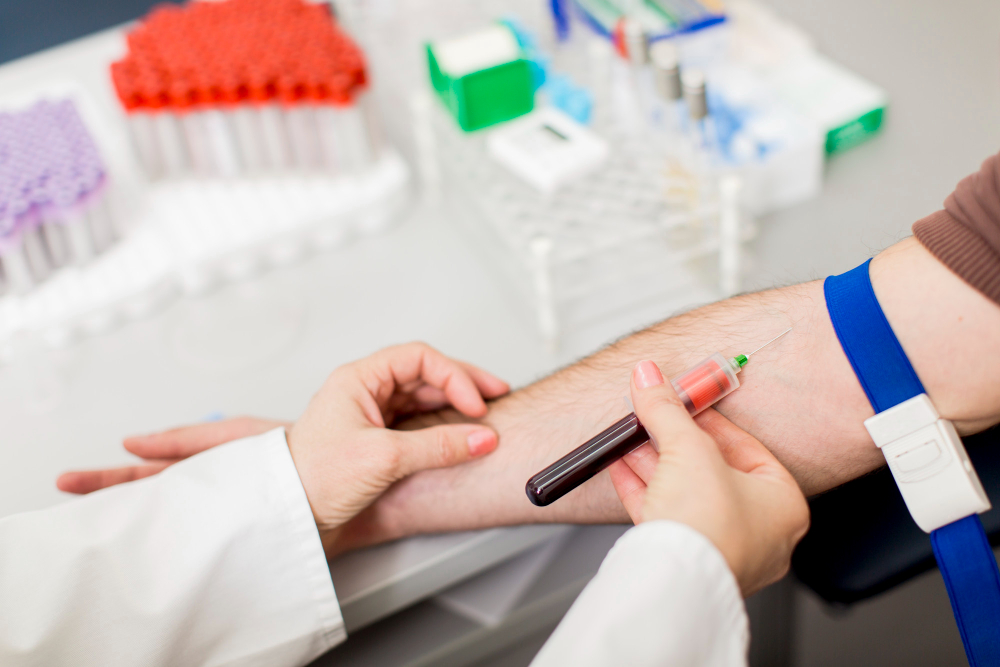
Most tests are simple and quick. For blood tests, a nurse draws a small sample from your arm. The ECG uses small stickers on your chest, arms, and legs to record your heart’s activity. Blood pressure is measured with a cuff on your arm. Usually, you can return to normal activities right after the tests. In some clinics, you can get a full cardiac risk assessment in one visit.
How to Prepare for Cardiac Profile Testing
Preparation is easy, but you may need to fast for some tests. Here are some tips:
If you have questions, ask your healthcare provider before the test.
Understanding Results and Next Steps
After testing, your doctor will explain the results. If your numbers are normal, keep up your healthy habits. However, if results show risks, your doctor may suggest changes or more tests. Sometimes, you may need medicine or a special diet. Early action can lower your risk of heart problems. Always discuss your results with a healthcare specialist.
Prevention and Lifestyle Tips for Heart Health
Even if your cardiac profile test is normal, healthy habits matter. Here are some tips to protect your heart:
Small changes can make a big difference over time.
Conclusion
Cardiac profile testing is a key step in caring for your heart. Because heart disease can be silent, early testing helps you stay ahead. For personalized advice on cardiac profile testing, consult a healthcare specialist at Salunkhe Diagnostic Laboratory.