
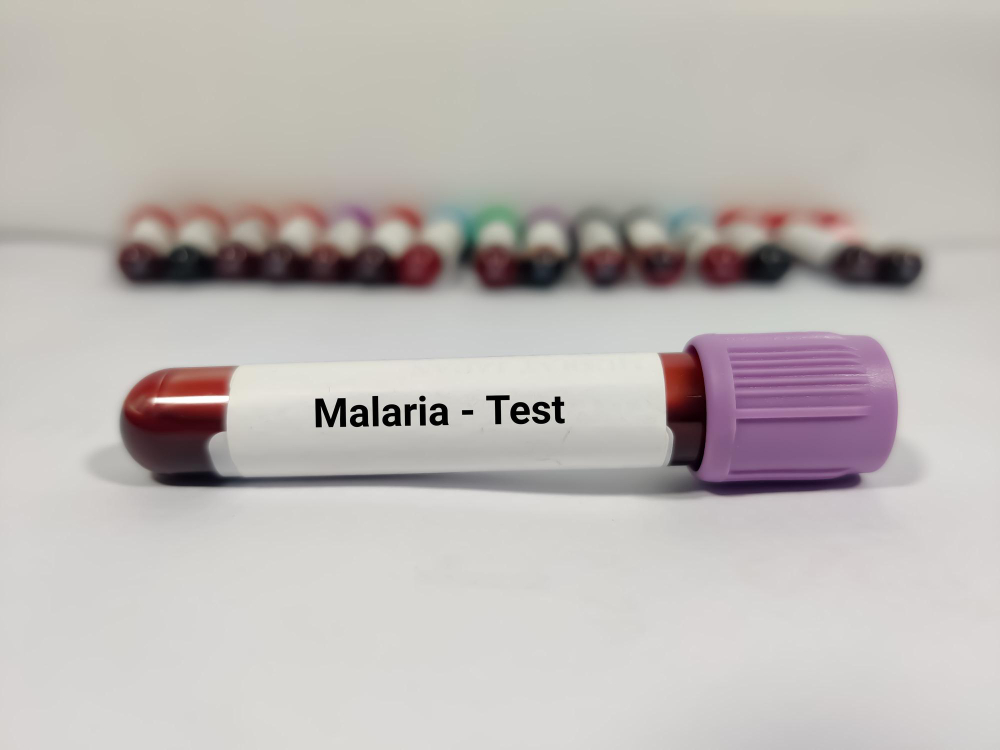
What Is a Malaria Test?
A malaria test checks for malaria infection in your blood. Malaria is a disease caused by parasites spread by mosquito bites. Early diagnosis is important. In fact, a malaria test helps doctors find the parasite quickly. This allows for fast treatment and better recovery. The test is simple and safe for most people.
Why Is a Malaria Test Important?
Malaria can become serious if not treated early. Therefore, a malaria test is vital for quick diagnosis. With early detection, doctors can start treatment right away. This reduces the risk of severe illness. According to the World Health Organization (WHO), early testing saves lives. Also, it helps prevent the spread of malaria in your community.
Types of Malaria Tests
There are different ways to test for malaria. Each method has its own benefits. Here are the main types:
Each test helps with malaria diagnosis. However, your doctor will choose the best one for your situation.
How Is a Malaria Test Performed?
The malaria test procedure is simple. First, a healthcare worker cleans your finger or arm. Next, they take a small blood sample. For a blood smear, the sample goes on a glass slide. For rapid tests, the blood is mixed with special chemicals. After that, results are checked by a doctor or nurse. Usually, you get answers within an hour. Sometimes, more tests are needed for confirmation.
When Should You Get Tested for Malaria?
You should get a malaria test if you have symptoms like:
Additionally, if you traveled to an area where malaria is common, testing is important. Even if symptoms are mild, early testing helps. According to the Centers for Disease Control and Prevention (CDC), anyone with a fever after travel should consider a malaria test.
How to Prepare for a Malaria Test
Preparing for a malaria test is easy. Usually, you do not need to fast or stop medicines. However, always tell your doctor about any drugs you take. Also, bring your travel history and a list of symptoms. This helps your healthcare provider choose the right malaria test near you.
Understanding Your Malaria Test Results
After the test, your doctor will explain the results. If the test is positive, it means malaria parasites are in your blood. You will need treatment right away. If the test is negative but you still feel sick, more tests may be needed. Sometimes, early malaria is hard to detect. Therefore, doctors may repeat the test for accuracy. Always ask your doctor about your results and next steps.
Prevention and Next Steps After Testing
If you test positive, follow your doctor’s treatment plan. Take all medicines as prescribed. This helps you recover and prevents the disease from spreading. If your test is negative, but you are at risk, stay alert for symptoms. To prevent malaria, use mosquito nets, wear long sleeves, and use insect repellent. The WHO recommends these steps for everyone in malaria-prone areas.
In summary, a malaria test is key for early diagnosis and treatment. If you have symptoms or traveled to a risk area, do not wait. Consult at Salunkhe Diagnostic Laboratory for personalized advice about malaria testing.