
Introduction
Platelet function tests are special blood tests that check how well your platelets work. Platelets are tiny cells in your blood that help stop bleeding. If you have a bleeding disorder, these tests can help doctors find out if your platelets are working right. In fact, platelet function tests in bleeding disorders are key for diagnosing bleeding disorders and guiding treatment. Many people need platelet dysfunction testing when they have unexplained bruising or bleeding. Early testing can help prevent serious problems and improve care.
What Are Platelet Function Tests?
Platelet function tests measure how well your platelets help your blood clot. These tests look at how platelets stick together and form clots to stop bleeding. For example, doctors may use these tests if you bleed easily or have frequent nosebleeds. There are several types of platelet function tests, such as:
Each test checks a different part of how platelets work. However, all help doctors understand if your platelets are the cause of your bleeding symptoms.
Why Are Platelet Function Tests Important in Bleeding Disorders?
Bleeding disorders can make it hard for your blood to clot. Because of this, even small injuries can cause too much bleeding. Platelet function tests are important in bleeding disorders because they help find the exact problem. Sometimes, people have normal platelet counts but their platelets do not work well. In these cases, only a platelet function test can show the issue. Early testing can lead to faster treatment and better outcomes. Additionally, knowing the cause helps doctors choose the right medicine or care plan.
Common Symptoms and Signs of Bleeding Disorders
Many people with bleeding disorders notice certain signs. If you have any of these symptoms, you may need platelet function testing:
Sometimes, these signs are mild. But, if you notice them often, it is important to talk to your doctor. Early testing can help prevent serious bleeding problems.
How Platelet Function Tests Are Performed
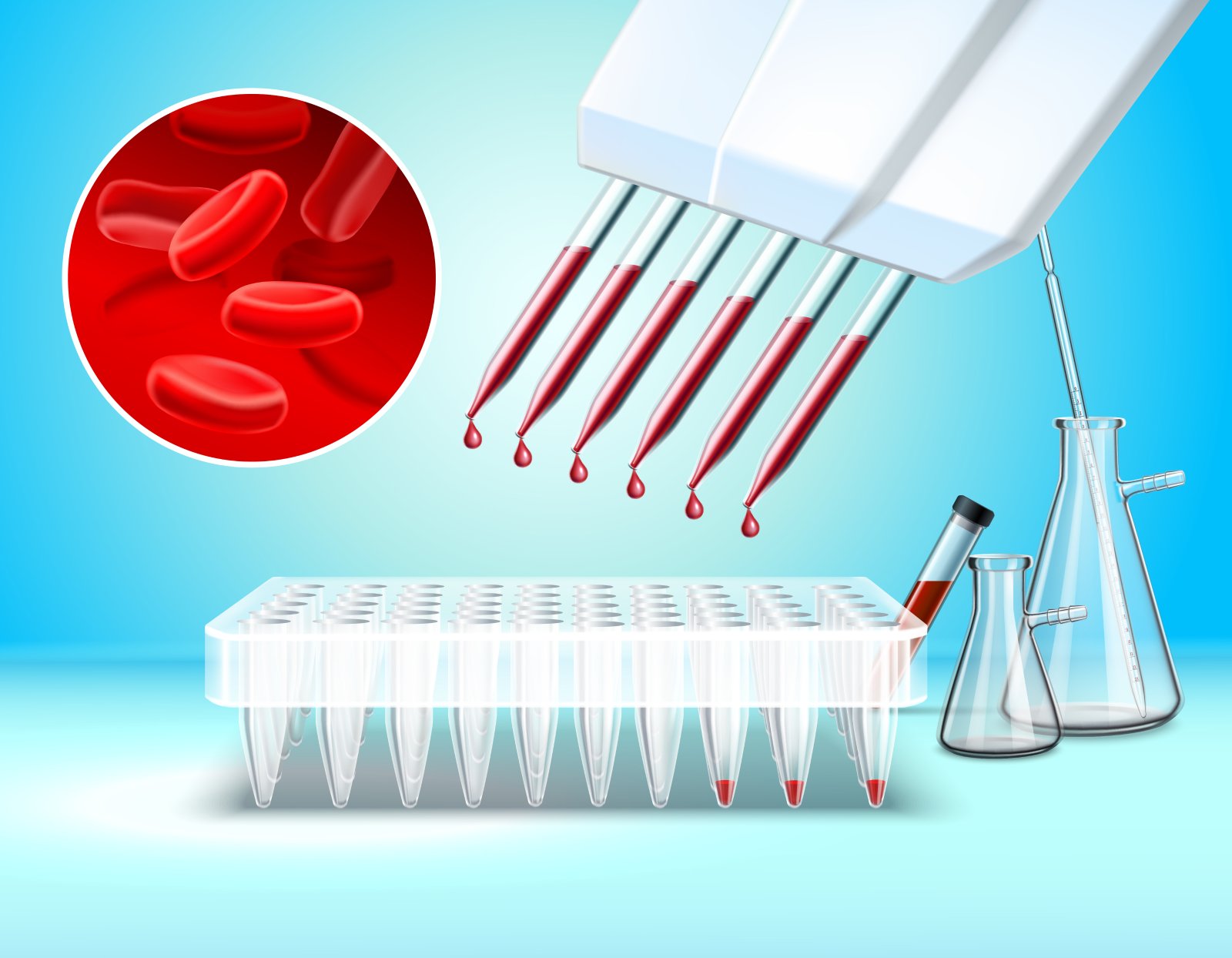
Doctors usually perform platelet function tests using a blood sample. First, a nurse or technician draws blood from your arm. Next, the sample goes to a lab for testing. Some tests check how platelets react to certain chemicals. Others measure how long it takes for your blood to clot. The process is safe and quick. However, you may need to stop certain medicines before the test. Always follow your doctor’s instructions to get the best results.
Understanding Test Results and Next Steps
After the test, your doctor will explain the results. If your platelets do not work well, you may have a platelet function disorder. Sometimes, more tests are needed to find the exact cause. Based on your results, your doctor may suggest:
For some people, results may be normal. In that case, your doctor will look for other causes of your symptoms. Either way, understanding your results helps you and your doctor make the best choices for your care.
Prevention and Lifestyle Tips for Managing Bleeding Disorders
Living with a bleeding disorder can be managed with some simple steps. For example, you can:
Additionally, keep a list of your symptoms and share them with your doctor. This helps track your condition and adjust your care as needed.
Conclusion
Platelet function tests in bleeding disorders are important for finding the cause of unusual bleeding. Early testing and proper care can help prevent serious problems. If you notice signs of a bleeding disorder, consult a healthcare specialist at Salunkhe Diagnostic Laboratory for personalized advice on platelet function tests and bleeding disorders.