What is a Urine Bile Salt Test?
A urine bile salt test checks for bile salts in your urine. Bile salts are chemicals made by your liver. They help your body digest fats. Usually, bile salts stay in your digestive system. However, if they appear in your urine, it may signal a problem. This test is simple and non-invasive. Doctors often use it to check liver health. The urine bile salt test is important for finding certain health issues early.
Why is the Urine Bile Salt Test Done?
Doctors order this test to look for liver or bile duct problems. For example, it can help find diseases like hepatitis or jaundice. Sometimes, it helps check for blockages in the bile ducts. If your doctor suspects a liver issue, they may suggest this test. Early detection can help with better treatment. The urine bile salt test is also useful for monitoring ongoing liver conditions.
Symptoms or Signs That May Require the Test
Some symptoms may lead your doctor to order a urine bile salt test. These include:
If you notice any of these signs, you should talk to your doctor. They may recommend the urine bile salt test to find the cause.
How the Test is Performed (Procedure)
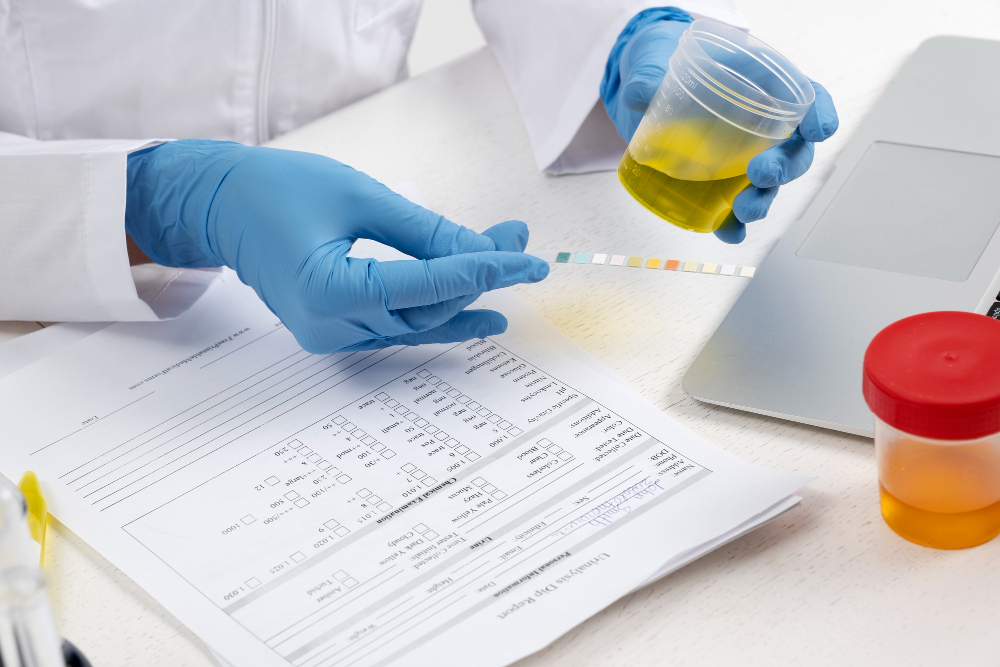
The urine bile salt test procedure is simple. First, you will get a clean container from your healthcare provider. Next, you will be asked to collect a urine sample. Often, a midstream sample is best. This means you start urinating, then collect urine in the container, and finish in the toilet. Afterward, you return the sample to the clinic or lab. The lab will then test your urine for bile salts. Results are usually ready within a few days.
How to Prepare for the Test
Preparation for the urine bile salt test is easy. In most cases, you do not need to fast. However, your doctor may give you special instructions. For example, you may need to avoid certain foods or medicines before the test. Always follow your doctor’s advice. If you have questions about how to prepare for the urine bile salt test, ask your healthcare provider. They can guide you on what to do before the test.
Understanding the Results
After the test, your doctor will explain the meaning of urine bile salt test results. If bile salts are found in your urine, it may mean your liver or bile ducts are not working well. Sometimes, high levels point to liver disease or a blockage. However, other tests may be needed to confirm the diagnosis. If your results are normal, it usually means your liver is healthy. Always discuss your results with your doctor for a clear understanding.
Risks and Limitations
The urine bile salt test is safe and has very few risks. Since it only involves giving a urine sample, there is no pain or discomfort. However, the test has some limitations. For instance, it may not detect all liver or bile duct problems. Sometimes, other tests like blood tests or imaging are needed. Your doctor will decide the best tests for your situation.
Frequently Asked Questions
Prevention and Lifestyle Guidance
While you cannot always prevent liver problems, some steps can help. For example, eat a balanced diet and avoid too much alcohol. Also, wash your hands often to prevent infections like hepatitis. If you take medicines, use them as directed. Regular check-ups can help catch problems early. If you notice symptoms like yellow skin or dark urine, see your doctor right away.
In summary, the urine bile salt test is a simple way to check liver health. If you have symptoms or concerns, consult at Salunkhe Diagnostic Laboratory for personalized advice regarding urine bile salt tests.