
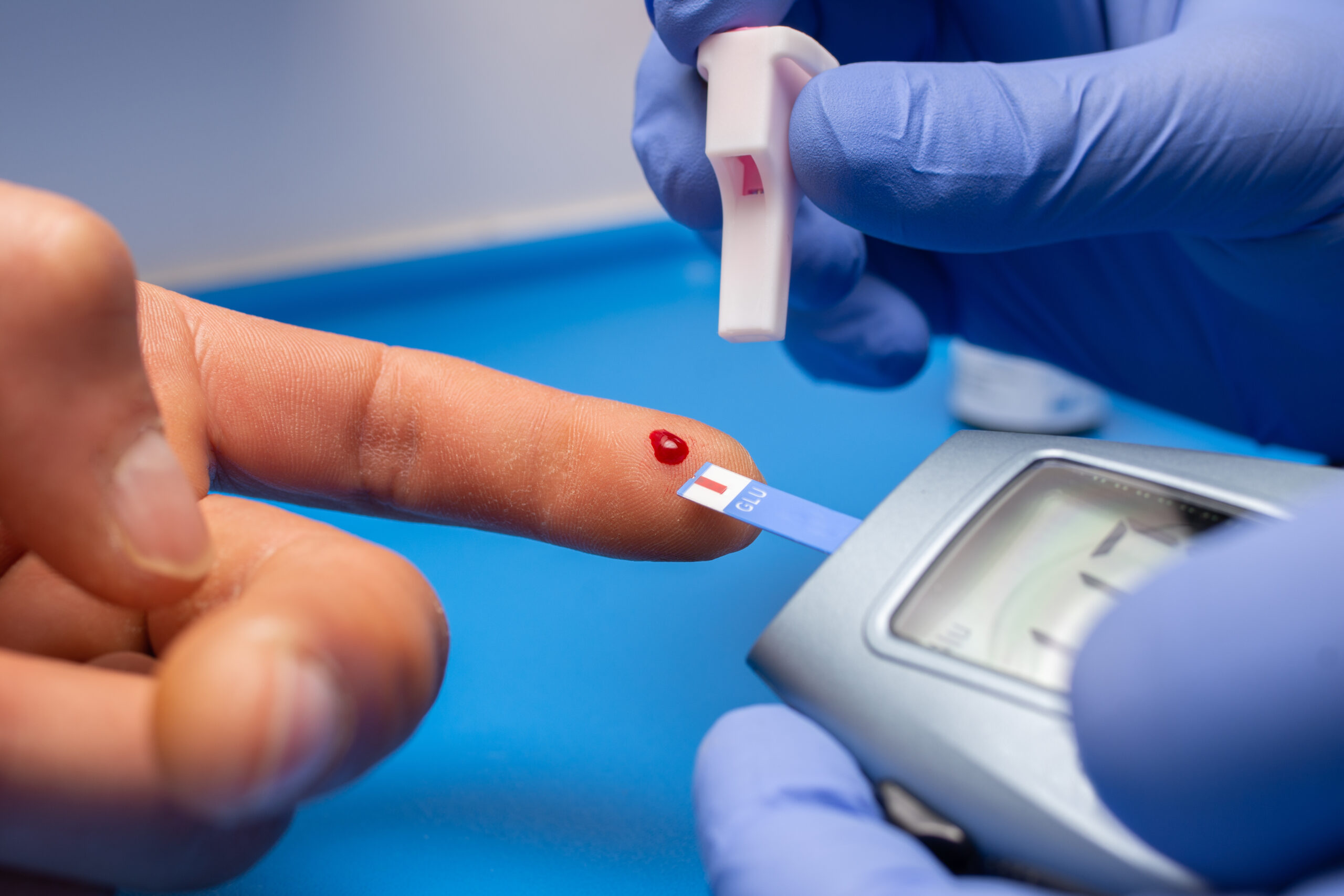
What is HbA1C?
HbA1C is a simple blood test that shows your average blood sugar level over the past three months. Doctors often call it the glycated hemoglobin test. Because it gives a long-term view, it is different from daily blood sugar checks. When sugar sticks to your red blood cells, it forms HbA1C. This test helps doctors see how well your blood sugar is controlled over time.
Why is HbA1C Important?
For many people, knowing their HbA1C is key to managing diabetes. Since high blood sugar can harm your body, this test helps spot problems early. In fact, doctors use HbA1C to diagnose diabetes and prediabetes. If your HbA1C is high, you may be at risk for heart disease, kidney problems, or nerve damage. Therefore, keeping your HbA1C in a healthy range is important for your overall health.
How is HbA1C Tested?
Getting your HbA1C tested is easy. Usually, a nurse or doctor takes a small blood sample from your arm. You do not need to fast before this test. After the sample is taken, it goes to a lab. There, experts measure the amount of sugar attached to your red blood cells. Results are usually ready in a few days. Because the test is simple, it is often part of regular diabetes monitoring.
Normal and Abnormal HbA1C Levels
Doctors use HbA1C results to check your risk for diabetes. Here is what the numbers mean:
However, your doctor may set a different target based on your age or health. For most adults with diabetes, the goal is to keep HbA1C below 7%. Lower numbers mean better blood sugar control. But, very low levels can also be risky, so balance is important.
Factors Affecting HbA1C Results
Sometimes, HbA1C results may not show the full picture. For example, certain health problems can change your results. These include:
In addition, some rare blood conditions can affect the test. Always tell your doctor about your health history. This helps them understand your results better.
How to Manage Your HbA1C
Managing your HbA1C is possible with healthy habits. First, follow your doctor’s advice about medicine and diet. Next, check your blood sugar as recommended. Regular exercise can also help lower your HbA1C. If you smoke, try to quit, as smoking can make blood sugar harder to control. Remember, small changes can make a big difference over time.
Tips for Maintaining Healthy HbA1C Levels
Keeping your HbA1C in a healthy range is important. Here are some tips:
With these steps, you can help keep your blood sugar and HbA1C in check.
In summary, HbA1C is an important test for monitoring long-term blood sugar control and managing diabetes effectively. Understanding your HbA1C levels can help you and your doctor make informed decisions about treatment and lifestyle changes. If you have concerns about your results or want to improve your metabolic health, professional guidance is essential.
Consult Salunkhe Diagnostic Laboratory for accurate HbA1C testing, reliable reports, and expert support. Speak with a healthcare professional for personalized advice on managing your HbA1C levels and overall health.