
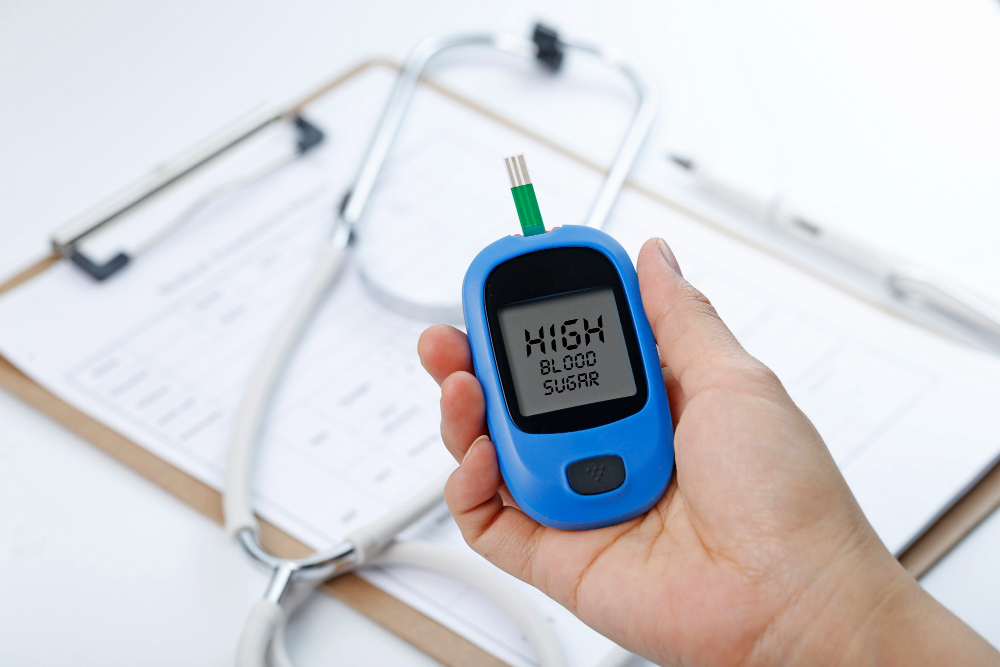
What Is a Diabetes Screening Test?
A diabetes screening test checks your blood sugar levels. This test helps find diabetes early, even before symptoms appear. Early detection of diabetes can help you manage your health better. Doctors use these tests to spot problems before they cause harm. The diabetes screening test is simple and quick. It is often done at your doctor’s office or a lab.
Why Is Diabetes Screening Important?
Many people have diabetes but do not know it. Because symptoms can be mild or absent, screening is key. Early detection of diabetes helps prevent serious problems like heart disease, kidney issues, and vision loss. In addition, finding diabetes early means you can start treatment sooner. This can make a big difference in your long-term health. The Centers for Disease Control and Prevention (CDC) and World Health Organization (WHO) both recommend regular screening for those at risk.
Who Should Get Screened for Diabetes?
Not everyone needs a diabetes screening test right away. However, some people have a higher risk. You should consider screening if you:
Even if you feel healthy, it is wise to ask your doctor about screening. Sometimes, your doctor may suggest earlier testing based on your health history.
Types of Diabetes Screening Tests
There are several ways to screen for diabetes. Each test measures your blood sugar in a different way. Here are the most common types:
Doctors choose the best test based on your health and risk factors. For example, the HbA1c test does not require fasting, making it easier for many people.
How to Prepare for a Diabetes Screening Test
Preparation depends on the type of test. For a fasting plasma glucose test, you should not eat or drink (except water) for at least 8 hours. For the oral glucose tolerance test, you may need to fast and then drink a special liquid at the lab. The HbA1c test usually does not require fasting. Always follow your doctor’s instructions for diabetes test preparation. If you take medications, ask if you should adjust them before the test. Arrive on time and bring any needed paperwork.
What to Expect During and After the Test
Most diabetes screening tests are quick and simple. A nurse or technician will draw a small amount of blood from your arm. The process takes only a few minutes. You may feel a small pinch, but it is not usually painful. After the test, you can often return to your normal activities. In some cases, you may need to wait for results. Your doctor will explain what the numbers mean and what steps to take next.
Understanding Your Results
Test results show if your blood sugar is normal, high, or low. Here is what the numbers often mean:
If your results are unclear, your doctor may repeat the test. Sometimes, more tests are needed to confirm a diagnosis. Always ask your doctor to explain your results in simple terms.
Prevention and Lifestyle Tips Based on Screening Outcomes
If your test shows normal blood sugar, keep up healthy habits. However, if you have prediabetes or diabetes, you can still take steps to protect your health. Here are some tips:
With early detection and the right steps, you can manage or even prevent diabetes. Regular check-ups help you stay on track.
Conclusion
In summary, a diabetes screening test is a simple way to protect your health. Early detection of diabetes can prevent serious problems. If you have risk factors, talk to your doctor about how to screen for diabetes. Consult Salunkhe Diagnostic Laboratory to learn if a diabetes screening test is right for you.