
What Is an Autoimmune Blood Test Panel?
An autoimmune blood test panel is a group of blood tests that help doctors check for autoimmune diseases. These tests look for signs that your immune system is attacking your own body. Often, doctors use this panel for autoimmune disease testing or to find blood markers for autoimmunity. The panel may include tests for antibodies, which are proteins made by your immune system. If you have symptoms that suggest an autoimmune condition, your doctor may order this panel to help diagnose the problem.
Why Is It Ordered?
Doctors order an autoimmune blood test panel when they suspect you may have an autoimmune disease. Usually, this is because you have certain symptoms that do not have a clear cause. For example, you might have:
Sometimes, your family history or other test results may also lead your doctor to order autoimmune screening. Early testing can help with diagnosing autoimmune diseases and starting treatment sooner.
How Is the Test Performed?
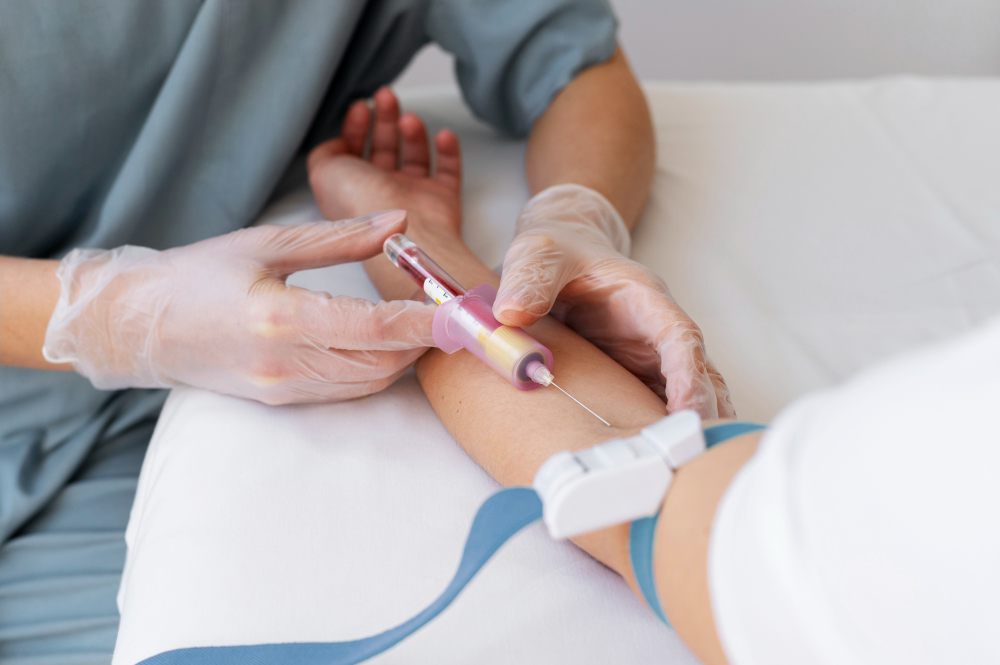
Getting an autoimmune blood test panel is simple and safe. First, a healthcare worker will clean your arm. Next, they will use a small needle to take a blood sample from a vein. Usually, this only takes a few minutes. Afterward, your blood goes to a lab for testing. Most people can return to normal activities right away. In some cases, you may feel a little sore or see a small bruise where the needle went in. However, this goes away quickly.
What Do the Results Mean?
After your blood is tested, your doctor will review the results. The panel looks for certain antibodies or blood markers for autoimmunity. If these markers are present, it may mean you have an autoimmune disease. However, a positive result does not always mean you are sick. Sometimes, healthy people can have these markers too. On the other hand, a negative result does not always rule out an autoimmune condition. Your doctor will use your results, symptoms, and other tests to decide the next steps. Often, more tests or a visit to a specialist may be needed.
Preparing for the Test
Most autoimmune blood test panels do not need special preparation. Still, you can follow these tips to make the process easier:
If you have questions, ask your healthcare provider before the test day. That way, you can feel more prepared and relaxed.
Risks and Considerations
Autoimmune blood test panels are very safe. The main risks are mild and short-lived. For example, you might feel a little pain or see a small bruise where the blood was drawn. Rarely, some people may feel dizzy or faint. However, these effects usually go away quickly. It is important to know that no test is perfect. Sometimes, results can be unclear or need more follow-up. Your doctor will explain what your results mean for you.
Frequently Asked Questions
If you have concerns about autoimmune blood test panels, consult Salunkhe Diagnostic Laboratory for personalised advice.