
What is a Fever Profile?
A fever profile is a group of blood tests that help doctors find the cause of a fever. Often, these tests are done when a person has a high temperature for several days. Because fever can have many causes, a fever profile test checks for infections and other health problems. This helps doctors make a quick and accurate fever diagnosis. Usually, the fever profile includes tests for common infections like malaria, dengue, and typhoid. It may also check for changes in blood cells and organ function.
Common Symptoms Leading to a Fever Profile
Doctors may suggest a fever profile if you have certain symptoms. These signs often last for more than a few days. For example, you might notice:
Sometimes, you may also have a cough, sore throat, or stomach pain. If these symptoms continue, a fever profile test can help find the reason.
Causes of Fever Requiring a Fever Profile
There are many reasons why someone may need a fever profile. Often, these causes include:
Because fever can be a sign of many health problems, doctors use a fever profile to narrow down the cause. This helps them choose the right treatment quickly.
How is a Fever Profile Test Done?
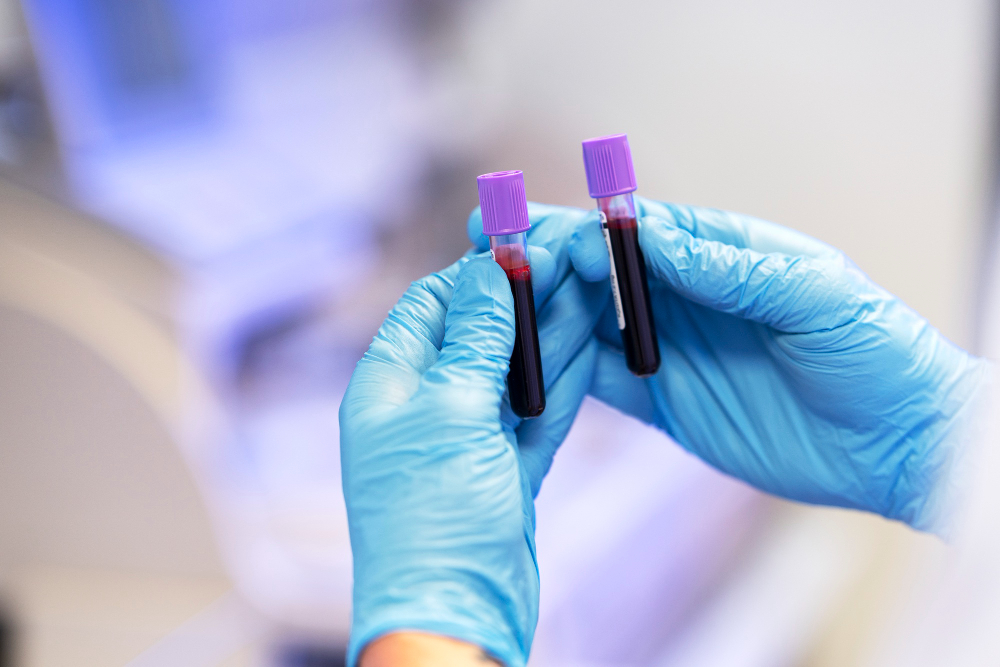
Getting a fever profile test is simple and safe. First, a healthcare worker will take a small sample of your blood. Usually, this is done from a vein in your arm. Next, the blood is sent to a lab for testing. The lab checks for signs of infection and other changes in your blood. Most results are ready within one or two days. During this time, you should rest and drink plenty of fluids. If you feel worse, let your doctor know right away.
Understanding Your Fever Profile Results
Once your fever profile results are ready, your doctor will explain them. The tests may show:
Because each test checks for different problems, your doctor will help you understand what the results mean. If you want to know how to interpret a fever profile, always ask your doctor for clear answers. They can guide you on the next steps.
Treatment and Next Steps
After your fever profile test, treatment depends on the cause. For example, if you have a bacterial infection, you may need antibiotics. If the cause is a virus, rest and fluids are often best. Sometimes, you may need more tests or a hospital stay. Your doctor will explain your treatment plan. Always take medicines as prescribed and follow your doctor’s advice. If your symptoms get worse, seek help right away.
Prevention and Lifestyle Tips
There are ways to lower your risk of getting a fever-causing illness. For instance, you can:
By following these tips, you can help protect yourself and your family from many common infections.
When to Consult a doctor
It is important to see a doctor if you have a fever that lasts more than three days. Also, if you have severe symptoms like trouble breathing, chest pain, or confusion, seek help right away. Early diagnosis and treatment can prevent problems. Remember, only a healthcare professional can decide if you need a fever profile test or other care.
For personalized advice on fever profile testing and treatment, consult a healthcare professional at Salunkhe Diagnostic Laboratory today.