
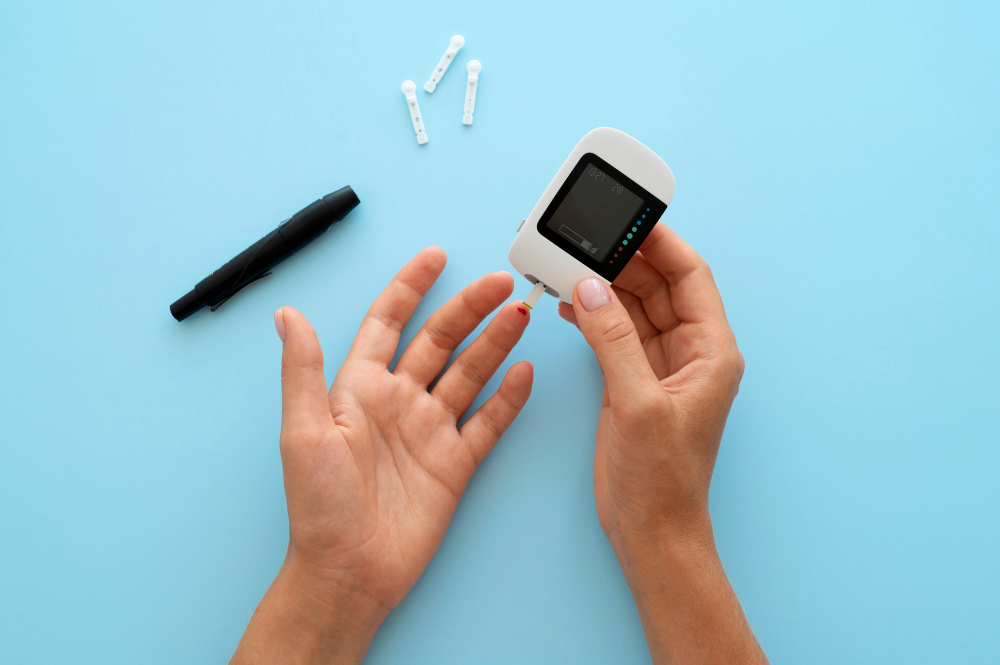
Introduction to Diabetes Monitoring
Diabetes needs careful monitoring to stay under control. Many people hear about HbA1c vs fasting sugar tests. Both help track blood sugar, but they work in different ways. For long-term diabetes monitoring, knowing which test to use is important. The right test helps you and your doctor make better choices. According to the CDC, regular testing can prevent problems from diabetes.
What is HbA1c?
HbA1c is a blood test for diabetes. It shows your average blood sugar over the past two to three months. The test measures how much sugar sticks to your red blood cells. Because red blood cells live about three months, HbA1c gives a long-term view. This test does not need fasting. Many doctors use the HbA1c test for diabetes diagnosis and monitoring. The World Health Organization recommends it for tracking diabetes control.
What is Fasting Blood Sugar?
Fasting blood sugar is another common test. It checks your blood sugar after you have not eaten for at least eight hours. This test shows how well your body manages sugar at one point in time. Usually, you take this test in the morning before breakfast. Fasting blood sugar accuracy depends on not eating or drinking anything but water before the test. Doctors use this test to diagnose diabetes and check daily blood sugar control.
Key Differences Between HbA1c and Fasting Sugar Tests
Which Test Best Reflects Long-Term Diabetes Control?
For long-term diabetes control, the HbA1c test is the best choice. It shows your average blood sugar over several months. Because it does not change with daily ups and downs, it gives a clearer picture. The American Diabetes Association and WHO both recommend HbA1c for long-term diabetes monitoring. However, fasting sugar can still help spot short-term problems.
When Each Test is Recommended
Doctors use both tests for different reasons. For example, HbA1c is recommended:
Fasting blood sugar is recommended:
How to Prepare for Each Test
Preparing for each test is simple. For HbA1c, you do not need to fast or change your routine. You can eat and drink as usual. For fasting blood sugar, you must not eat or drink anything except water for at least eight hours. It helps to schedule the test in the morning. This way, you can fast overnight while you sleep. Always follow your doctor’s instructions for the best results.
Limitations and Considerations for Both Tests
Both tests have some limits. For instance, HbA1c may not be accurate if you have anemia or certain blood disorders. Some people with kidney disease may also get unusual results. Fasting blood sugar can change with stress, illness, or even lack of sleep. In addition, some medicines can affect both tests. Therefore, always tell your doctor about your health and any medicines you take. This helps them choose the best test for you.
Frequently Asked Questions
Consult at Salunkhe Diagnostic Laboratory for blood test and guide on blood sugar.