
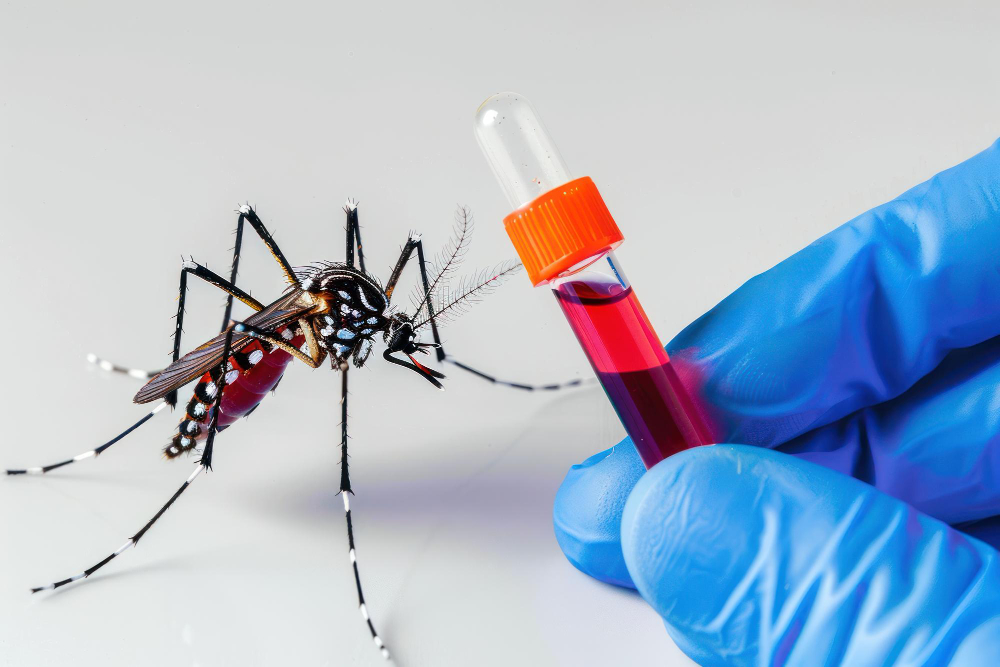
What is the Dengue NS1 Antigen Test?
The Dengue NS1 Antigen Test is a blood test that helps doctors find dengue infection early. Dengue is a viral illness spread by mosquitoes. Early detection is important because it helps start treatment sooner. The NS1 test looks for a protein called NS1, which is made by the dengue virus. Because this protein appears in the blood soon after infection, the test can spot dengue in its early stages.
Why is Early Detection of Dengue Important?
Early detection of dengue infection can make a big difference. When doctors find dengue early, they can watch for warning signs and give the right care. This helps prevent serious problems, such as severe dengue or dengue hemorrhagic fever. In many places where dengue is common, quick testing can help control outbreaks. According to the World Health Organization (WHO), early diagnosis and proper care lower the risk of death from dengue.
How Does the NS1 Antigen Test Work?
The NS1 Antigen Test works by finding the NS1 protein in your blood. After a mosquito bite, the dengue virus enters your body. Soon after, your blood has the NS1 protein. The test uses a small blood sample, usually from your arm. Lab staff mix your blood with special chemicals that react if NS1 is present. If the test is positive, it means you likely have a dengue infection. Because the NS1 protein shows up early, this test is useful within the first five days of fever.
Who Should Get Tested?
Not everyone needs the NS1 Antigen Test. However, you should consider testing if you:
For children, elderly people, or those with weak immune systems, early testing is even more important. If you are unsure, talk to your doctor about your symptoms and risk factors.
How to Prepare for the Test
Getting ready for the Dengue NS1 Antigen Test is simple. Usually, you do not need to fast or change your diet. However, it is helpful to:
After the blood sample is taken, you can return to your normal activities. If you feel dizzy, rest for a few minutes before leaving the clinic.
Understanding Your Test Results
Once your test is done, your doctor will explain the results. Here is what they may mean:
Because the NS1 test works best in the first five days of illness, timing is important. If you get tested later, other tests may be more helpful.
Limitations and Accuracy of the NS1 Test
While the NS1 Antigen Test is helpful, it is not perfect. For example, it may not detect dengue if you get tested too late. Also, the test may miss some cases if the virus level in your blood is low. According to the Centers for Disease Control and Prevention (CDC), the NS1 test is most accurate in the early phase of dengue fever. Sometimes, doctors use it along with other tests to confirm the diagnosis. Always discuss your results and symptoms with your healthcare provider.
Prevention and Next Steps After Testing
After testing, follow your doctor’s advice. If you have dengue, rest, drink fluids, and avoid painkillers like aspirin or ibuprofen. These can make bleeding worse. To help prevent dengue:
In many cities, local health centers offer dengue testing and advice. If you suspect dengue infection, consult a healthcare provider Salunkhe Diagnostic Laboratory for timely testing and guidance.